
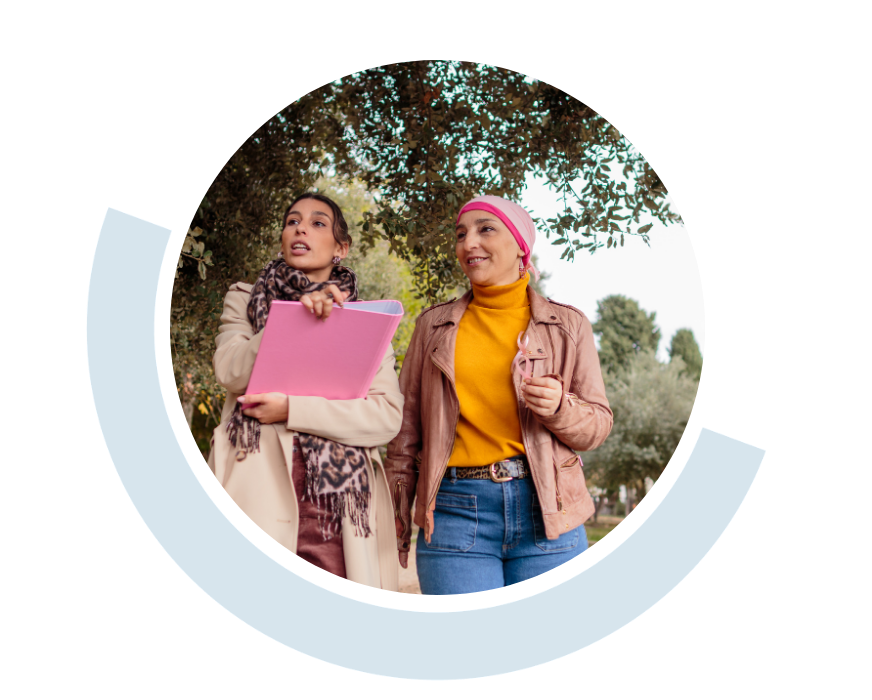
Rights-Based Advocacy
An advocate can help people understand and exercise their legal and human rights, such as rights related to education, employment, housing, healthcare, income support, and protection from discrimination.
Advocates can support individuals to express their own views, wishes, and choices. especially in situations where power imbalances exist. This can include supported decision-making rather than speaking for the person.
System Navigation
They assist people to interact with government agencies, health services, schools, courts, or social services—helping with applications, reviews, appeals, complaints, and meetings.
When requested, professional advocates may speak on a person’s behalf in formal settings (such as case conferences, tribunals, or service planning meetings), always guided by the person’s will and preferences.
Advocates play a critical role when there are concerns about neglect, abuse, exploitation, or rights violations, ensuring the person’s voice is heard and appropriate action is taken.
Beyond individual cases, professional advocates may work to change policies, laws, and practices to improve outcomes for the broader disability community.
How to find an advocate
First, you need to think about what you want help with, for example:
- Accessing disability supports or funding
- Education issues
- Workplace accommodations
- Health or mental health services
- Housing issues
- Support in meetings or complaints
- Legal issues
- Human rights or discrimination
This helps you find an advocate with the right expertise.
Then, you can look for an independent or professional advocate, or use peer or self-advocacy options. Below is a list of advocacy organisations and ways to self advocate.
Ways to Advocate for Yourself
Advocating for yourself in the disability community—often called self-advocacy—means speaking up for your needs, rights, and goals so you can participate fully and equally in your community. It’s about having a voice, being informed, and making choices that reflect what matters to you
Know Your Rights
Understanding your legal and human rights gives you a strong foundation for advocacy. This may include rights related to:
- Accessibility and reasonable accommodations
- Education and employment
- Healthcare and support services
- Freedom from discrimination
When you know your rights, you are better equipped to recognise when they are not being respected and to take action.
Understand Your Needs and Goals
Self-advocacy starts with self-awareness. Be clear about:
- What supports or accommodations you need
- What works well for you and what doesn’t
- Your personal goals, values, and priorities
This clarity helps others understand how to best support you.
Communicate Clearly and Confidently
Strong communication is central to self-advocacy. This includes:
- Expressing your needs and preferences clearly
- Asking questions when you don’t understand something
- Using communication supports if needed (such as assistive technology, interpreters, or support people)
You have the right to be listened to and taken seriously.
Ask for Accommodations
Advocating for yourself often means requesting reasonable changes so you can participate equally, such as:
- Accessible formats (large print, captions, easy-read, digital access)
- Flexible work or study arrangements
- Physical access modifications
Asking for accommodations is not asking for special treatment—it’s asking for equity.
Participate in Decisions About Your Life
You have the right to be involved in decisions that affect you. This can include:
- Support plans and services
- Education or employment planning
- Healthcare and treatment decisions
If decisions are being made about you without your input, you can request to be included and supported to share your views.
Build Knowledge and Skills
Learning advocacy skills can increase your confidence and effectiveness. You might:
- Attend workshops or training on self-advocacy
- Learn how systems work (health, education, disability services)
- Practice speaking up in safe or supportive environments
Connect with the Disability Community
Being part of the disability community can strengthen your advocacy by:
- Sharing experiences and learning from others
- Finding peer support and role models
- Joining self-advocacy or disability-led groups
Collective voices are often powerful, and community connection can reduce isolation.
Seek Support When Needed
Self-advocacy doesn’t mean doing everything alone. You can:
- Ask a trusted person to support you in meetings
- Work with a professional disability advocate
- Use supported decision-making instead of having decisions made for you
Support should amplify your voice.
Adult Guardianship Services Trust
Adult Guardianship Services Trust provides advocacy, supported decision making, subsitute decision making, and Guardianship Support.
View Website 021 08767583 Send Email
Amputees Federation of New Zealand
The Amputees Federation of New Zealand supports amputees and people with limb difference through guidance, peer support, practical resources, and advocacy. It also provides information for children, teens, employment, and everyday life after amputation.
View Website 021 708 863 Send EmailFacebook Instagram
BANS Services
BANS Services – Bridge, Advocacy, Navigation, Support Services – provides community advocacy, navigation, and support for disabled people and their whānau. It also offers adaptive arts activity alongside its advocacy and support work.
View Website 021 08007199 Send EmailFacebook Instagram
Citizen Advocacy
Citizen Advocacy Auckland connects people with intellectual disabilities with volunteer advocates who stand beside them, build long-term relationships, and help strengthen their voice and place in the community. It provides training and ongoing support so advocacy partnerships can succeed over time.
View Website 09 625 7994 Send Email
Empowerment Trust
Empowerment Trust is a New Zealand organisation providing trauma-informed, culturally aware, evidence-based primary prevention education. It delivers workshops, training and resources that help people build safety skills, healthy relationships, consent and boundary awareness, de-escalation skills, and violence prevention strategies, and it is the New Zealand centre of Kidpower International.
View Website 0800 543 769 Send EmailFacebook Instagram
Federation of Disability Information Centres
The Federation of Disability Information Centres is the national hub for a network of disability information centres across New Zealand. It promotes and supports the local provision of impartial health and disability information and resource services.
View Website 0800 693 342 Send Email
Grab Your Wheels
Grab Your Wheels is a New Zealand accessible travel platform run by a family sharing wheelchair-accessible discoveries, reviews, and travel tips around Aotearoa. Its content focuses on helping make accessible travel more practical and more visible.
View Website Send EmailFacebook Instagram
Health and Disability Advocacy
The Nationwide Health and Disability Advocacy Service is a free independent service that helps people understand their rights and raise concerns about health and disability services. It supports complaints, rights education, and resolution processes.
View Website 0800 555 050 Send EmailFacebook Instagram

Health and Disability Commissioner
The Health and Disability Commissioner promotes and protects the rights of people using health and disability services in New Zealand. It handles complaints, provides rights information, and works to improve accountability and service quality.
View Website 0800 11 22 33 Send Email
IncludeME Family Facilitation Services
Specialist education support service assisting learners with diverse needs through tailored strategies and resources. They offer Independent needs assessments; action planning, including IEPs, CAPs, and school collaboration; advocacy that ensures families feel heard and included; professional reports
View Website 021 147 9507 Send Email- 1
- 2